Tag Archives: nature

Sea Cliff Flowers

Photo: Mike Howe
Photo: Mike Howe

On my way to the beach yesterday for a leisurely swim (I know!) I came across lots of lovely patches of the oxeye daisy, our largest native member of the daisy family in the UK.  It is a perennial herb with large flowers and also has the vernacular names common daisy, dog daisy, moon daisy and margarite.
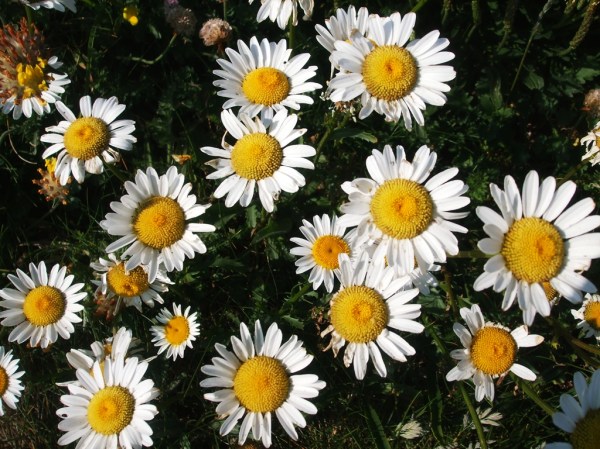
Photo: Mike Howe
Photo: Mike Howe

It is fairly common in meadows and roadside verges but always in conditions of moderate to low fertility, and where it occurs in abundance it transforms the sight of meadows and grassy banks in summer with carpets of white and gold.

Photo: Mike Howe
Photo: Mike Howe

Because the oxeye daisy is limited in its capacity for vegetative spread it relies heavily on seed regeneration in open swards where other potentially dominant species are restricted by low soil fertility.  This is why it is a common plant of some of our traditional hay meadows, as well as being abundant on waste ground, railway embankments and roadside verges and, in this case, sea cliffs.

The open flower heads attract a large range of pollinating insects, particularly bees, butterflies and hoverflies.

In the past, an extract from the plant was used as a herbal remedy to cure diseases of the liver and the chest.
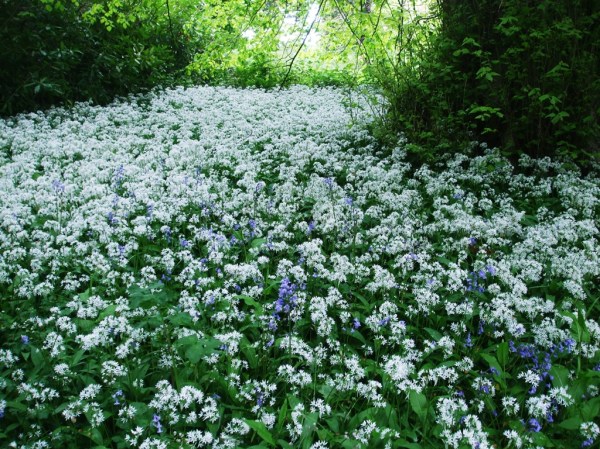
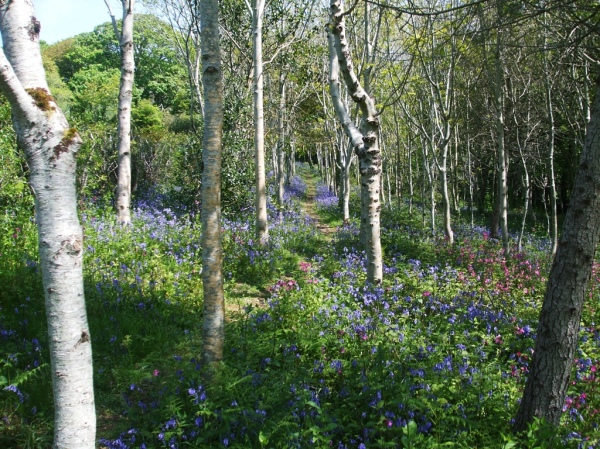
 

Wild Garlic in the Woods

Photo: Mike Howe
Photo: Mike Howe

Beautiful carpets of wild garlic with patches of bluebells in the shade of the big canopy trees, smells absolutely lovely in the warm air, late spring in the woods.


Paths…..

Photo: Mike Howe
Photo: Mike Howe

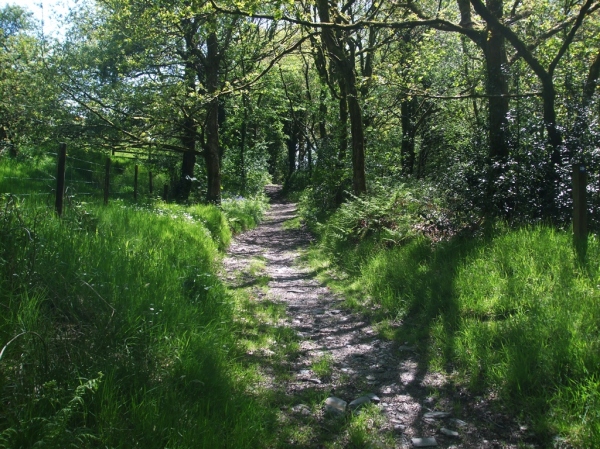
You kind of have to walk along these paths don’t you?

Photo: Mike Howe
Photo: Mike Howe

This is an ancient Welsh drovers road that was used for thousands of years to travel from Cardigan in the west to Shrewsbury in the east….

Photo: Mike Howe
Photo: Mike Howe

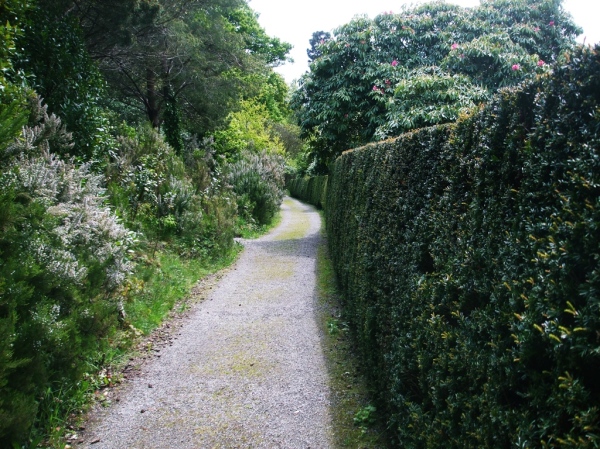
Ornamental garden path…..

Photo: Mike Alexander

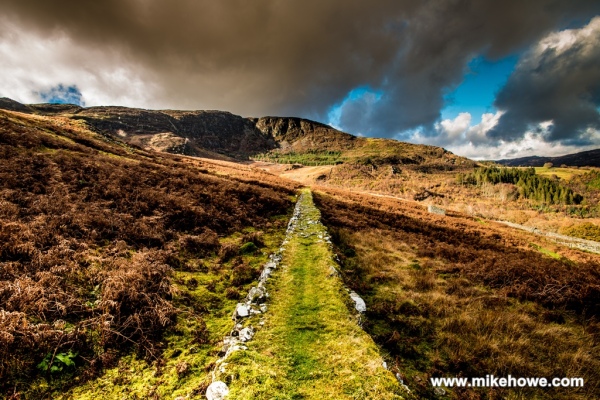
Gold miners track……

Keeping Fit and Getting Out There…

Photo: Rodhowe.com
Photo: Rodhowe.com

I like running on the beach, even on the wild days, in fact especially on the wild days.  Photo by my brother Rod ( Rodhowe.com)

Tranquillity….

Photo: Mike Alexander

Mike A would like me to share this with you and I’m only too happy to oblige.  Llyn Dinas in North Wales, a place we’re working to help look after.

In The Larder of a Wood Mouse

Photo: Mike Howe
Photo: Mike Howe

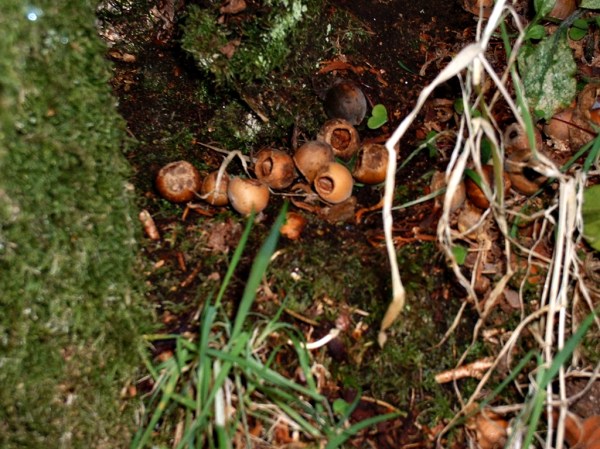
If you go down to the woods today….in a remote Welsh valley, and have a little rummage around, it’s surprising what you sometimes find.  Here’s where a wood mouse has been storing and eating hazel nuts.  The lovely circular openings are the give away for what’s been eating these nuts.  If the openings had been perfectly circular, that would have been the work of the much rarer (and cuter) dormouse, but these were eaten and stored by a wood mouse.

And this is where he or she lives….

Photo: Mike Howe
Photo: Mike Howe

In the next few weeks some of the commonest and some of the rarest butterflies in the country will emerge and bring these woods and grasslands to life, such as this beautiful silver-washed fritillary.

Photo:  Butterfly Conservation

Apple Blossom in the Rain

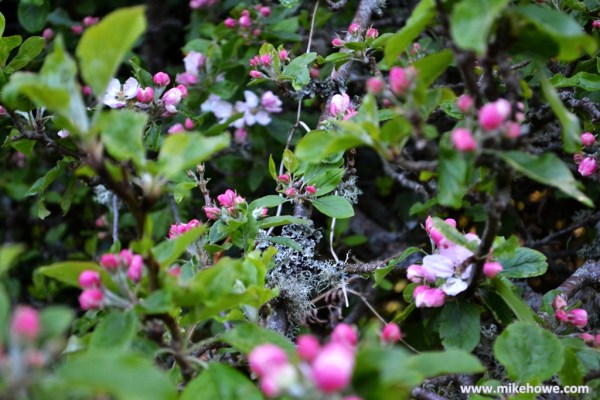
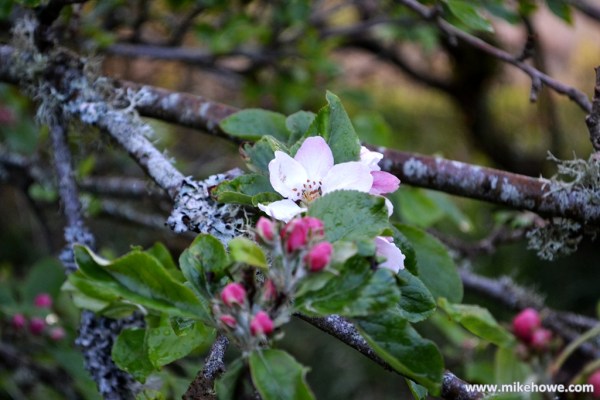
The old apple tree in our garden continues to wake up after winter despite having nearly fallen over and being propped up by an old chair.  Every year it produces delicious cooking apples, and every May it produces beautiful blossom.

Photo: Mike Howe
Photo: Mike Howe

This evening a light rain is falling, the raindrops glistening on the dark green leaves…..

Photo: Mike Howe
Photo: Mike Howe

The trees antiquity is given away by the presence of the lichens growing on the branches and twigs…

Photo: Mike Howe
Photo: Mike Howe

We don’t prune it or interfere with it in anyway because it is always so productive, hopefully it will live on for years to come….

Photo: Mike Howe
Photo: Mike Howe


Bluebells in Spring

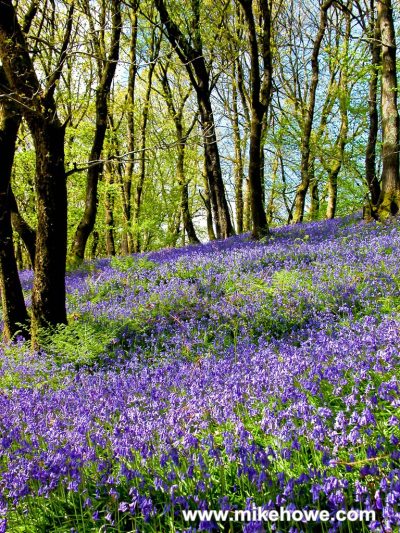
The bluebell woods are one of the most beautiful sights in spring.  I was walking and talking with colleagues the other day and as we were exchanging long-range thoughts we entered this wood – everybody stopped talking….

Photo: Mike Alexander

The Music of a Landscape Part IV – Pwll Deri

Imagine if you will a high cliff, or a sheer wall on a mountain side, and you get the idea behind this music.  It was originally imagined whilst reading “The Shining Mountain”, the incredible and enthralling account of British climbers Joe Tasker and Pete Boardman’s famous ascent of Changabang, a 22,500 foot mountain in the Himalayas of India, in 1976.

Boardman and Tasker climbed the great West Wall using revolutionary climbing techniques, which included sleeping in hammocks suspended from the sheer face with a drop of thousands of feet below them.  It took 25 days to complete the climb, a climb that many at the time thought impossible.

A little nearer to home (for me anyway) there are some magnificent cliffs with a sheer drop to the sea below, where peregrine falcons, and large colonies of seabirds nest in spring, and where, standing at the top, it is quite difficult to catch your breath, such is the exhilaration.  Pwll Deri is one of those places, as is this beautiful arch and stack further to the south.

Photo: Mike Alexander

The music was intended to capture the drama and majesty of places like this wherever they may be found.  But also the sadness I felt whilst reading of Boardman and Taskers subsequent adventure, to climb the North-East ridge of Everest, another route that had never been done at the time.  The rest of the expedition were out of the reckoning due to exhaustion, but Boardman and Tasker attempted to complete the ascent on their own.  They were last seen alive by their comrades as tiny specks on the ridge before they disappeared into the cloud and were gone forever.

Guess What I Found…..

Photo: Mike Howe
Photo: Mike Howe

It’s a skylark nest, with four beautiful, tiny eggs in it.  Skylarks are birds of open grasslands and they build their nests on the ground, often producing 2 or 3 broods per year.  The nests are incredibly hard to find because they are so well concealed from predators.

Photo: Mike Howe
Photo: Mike Howe

Skylark numbers have plummeted in the UK by over 90% in the past 50 years as our traditional hay meadows have been replaced by much more intensively managed grasslands that are mown for silage 2 or 3 times a year – the mowing destroys the nests, and so the populations of skylarks and other grassland species have declined rapidly.

This place is different though.  This nest is one of around 60 that can be found on a dis-used World War II airfield near St Davids in West Wales.  The grassland is managed just like an old fashioned hay meadow, with grazing by cattle in the winter, and hay making in late summer, and with no inputs of chemical fertilisers.

The airfield was once a place where the great Halifax bombers flew to patrol along the Atlantic coast and where thousands of service men and women were housed.

St Davids Airfield aerial

These days the airfield is a place of tranquility and calm and home to wild flowers, butterflies and skylarks.

Photo: Mike Howe
Photo: Mike Howe

I have met and talked with some of the men who flew from here at the height of the war, and they couldn’t be happier that this is now a place of peace and where wildlife can thrive.  It seems like a wonderful way to honour and remember those that died on both sides, a place of vibrant and colourful life and peaceful quiet.