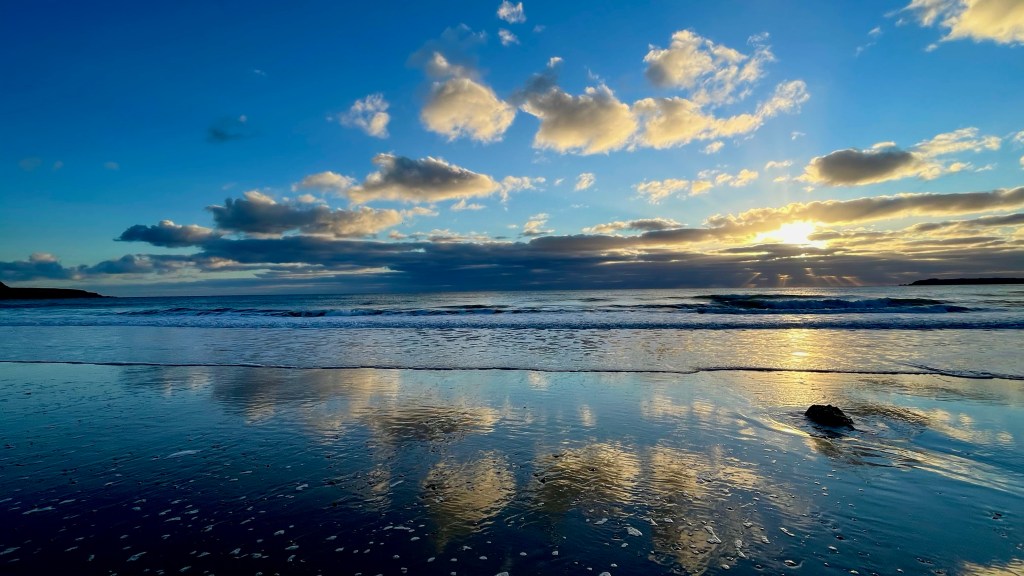
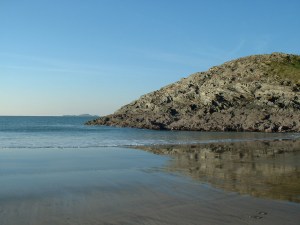
Lovely cloud reflections on wet sand



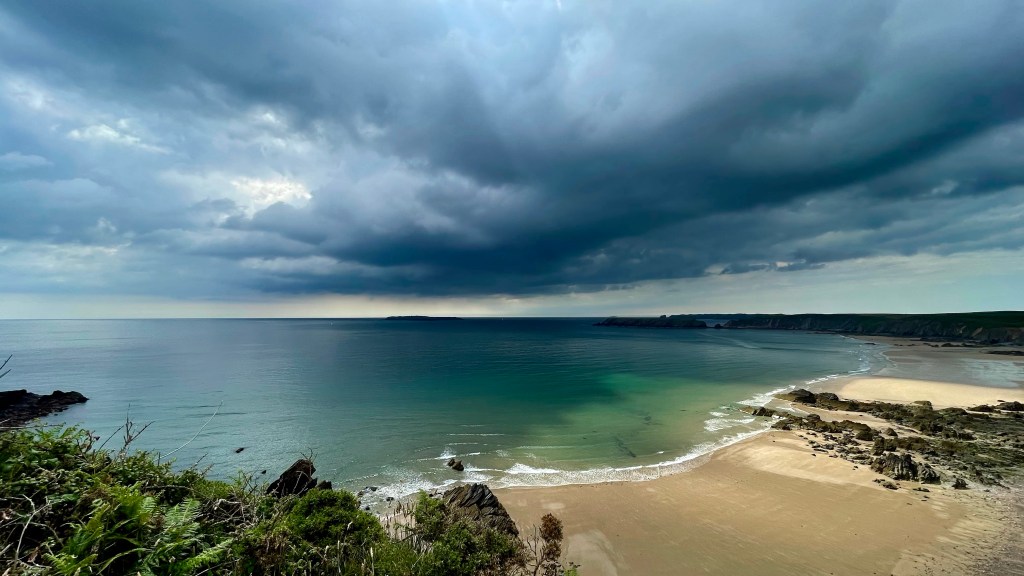

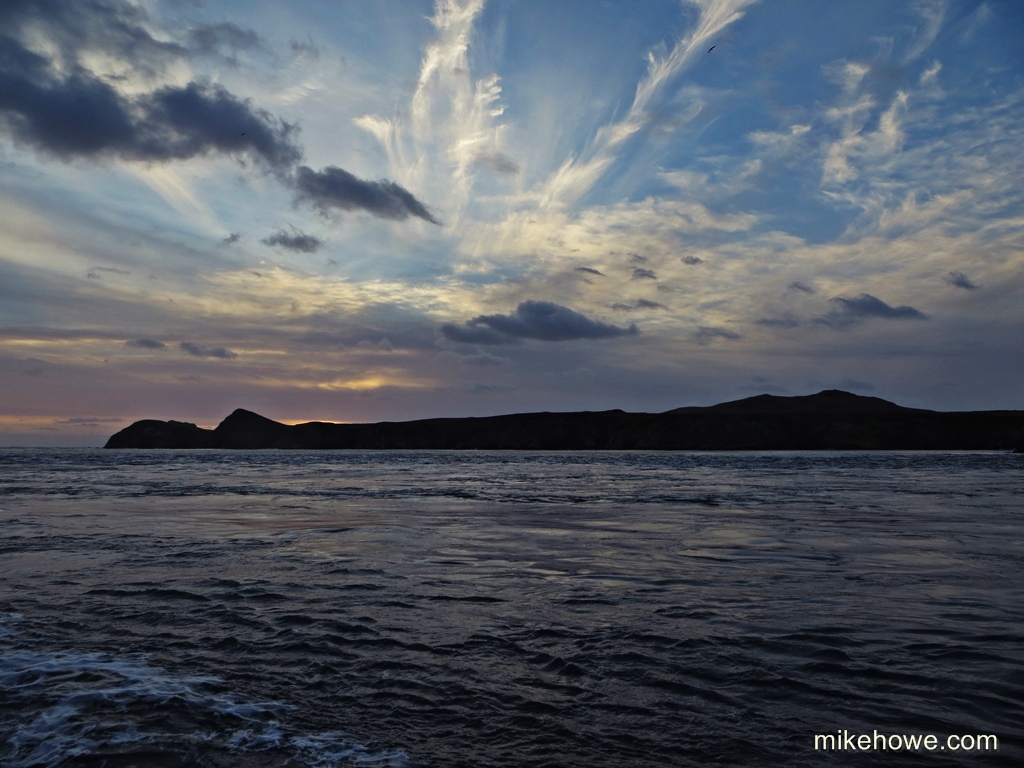


Something strange is happening, this relatively old post of mine has gone viral today, I think because news of recent storms in Wales revealing the petrified forest on the coast has reached the USA and searches are sending people to my site, which I suppose is nice. So I thought I’d re-blog to make it even easier for everyone 😉 Old news has become new news again….
Although it is rarely seen, the remnants of a past forested landscape, where there is now sea and beach, is a very interesting feature and teaches us about past sea level rise and our recent glacial history, and makes sense of some of the archaeological remains we find around our coastline in West Wales.
At the end of the last glaciation the sea level was much lower than it is today because so much water was still locked up in the ice sheets to the north of Britain. As the climate warmed forests became established on land that had been tundra for thousands of years, and this forest extended far out beyond where sea level is today. Gradually as temperatures rose, the sea ice to the south of the arctic circle melted and sea levels rose, submerging much of the coastal forests.
In some places this action was very rapid…
View original post 338 more words
After weeks of winter grey skies, the cold, sharp air brings some sun and colour to the shoreline
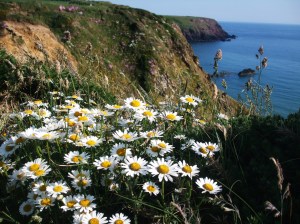
On my way to the beach yesterday for a leisurely swim (I know!) I came across lots of lovely patches of the oxeye daisy, our largest native member of the daisy family in the UK. It is a perennial herb with large flowers and also has the vernacular names common daisy, dog daisy, moon daisy and margarite.
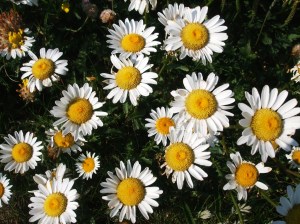
It is fairly common in meadows and roadside verges but always in conditions of moderate to low fertility, and where it occurs in abundance it transforms the sight of meadows and grassy banks in summer with carpets of white and gold.

Because the oxeye daisy is limited in its capacity for vegetative spread it relies heavily on seed regeneration in open swards where other potentially dominant species are restricted by low soil fertility. This is why it is a common plant of some of our traditional hay meadows, as well as being abundant on waste ground, railway embankments and roadside verges and, in this case, sea cliffs.
The open flower heads attract a large range of pollinating insects, particularly bees, butterflies and hoverflies.
In the past, an extract from the plant was used as a herbal remedy to cure diseases of the liver and the chest.
 Mike Howe