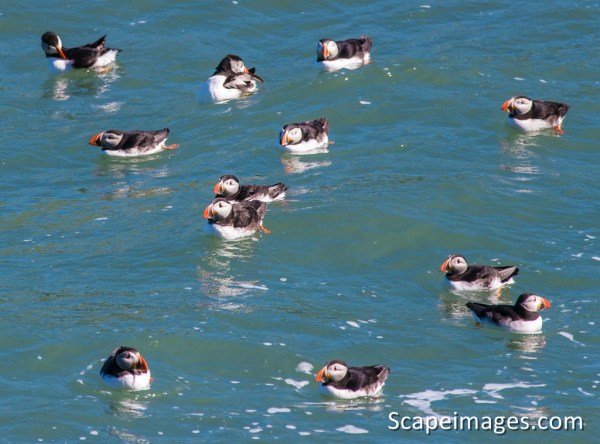
Puffins on Skomer Photo: Mike Alexander, scapeimages.com
This article by Michael McCarthy in the Independent newspaper describes a sad and worrying consequence of the exceptionally frequent and severe storms that we have experienced this winter….
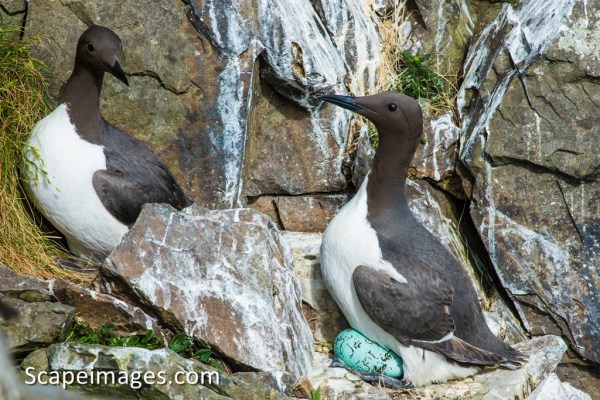
“Tens of thousands of birds – particularly auks such as puffins, guillemots (pictured) and razorbills – have died as a result of the seemingly endless gales of the last two months. Their remains are now being washed up on the coasts of Wales, Cornwall and the Channel Islands, and even more so on the Atlantic coast of France – that is, the beaches of the Bay of Biscay, which is where large numbers of British puffins and their auk cousins spend the winter”.
Photo: Mike Alexander, scapeimages.com
“It is one of the largest “wrecks” of seabirds ever witnessed and bears comparison with the huge bird mortalities caused by the oil spills from tanker disasters of recent years, such as the Amoco Cadiz in 1978 and the Erika in 1999, both off the coast of Brittany, as well as the 1993 spill of the tanker Braer off Shetland and the 1996 spill of the Sea Empress off south Wales.
And counter-intuitive though it may be, it is indeed the sea that’s killing them. The birds are dying because this winter, they have had to expend too much energy fighting big waves and big winds over a long period at a time, when food is harder than ever to find, since fish shoals are broken up in the storms. Latest estimates from the Wildlife Trusts partnership suggest a confirmed death toll of around 25,000, which is expected to rise steadily as more corpses are washed ashore”.
Guillemots Photo: Mike Alexander, scapeimages.com
“This natural disaster only serves to underline how vulnerable our seabirds are to other threats, such as the oil spills, and increasingly to two more dangers – climate change, and overfishing. Seabird colonies in northern Britain, in areas such as Orkney and Shetland, are doing increasingly badly – in some, only a fifth of the breeding birds are raising chicks – and this has happened because their food, largely small fish called sandeels, has disappeared. It may be because of too much trawling, or it may be because in rising water temperatures the sandeels have moved north – but they’re no longer available, and fears are growing that all British seabird colonies may similarly suffer”.
Puffin on Skomer Photo: Mike Alexander, scapeimages.com
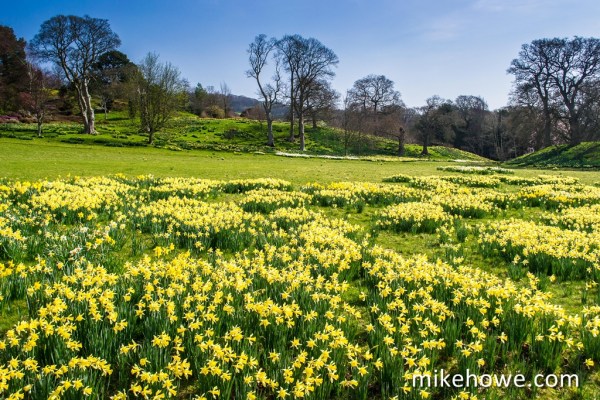
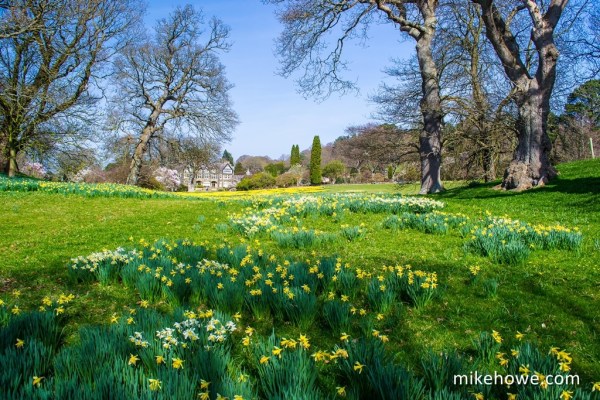
The daffodils are emerging. Here at Bodnant Garden in North Wales they put on a spectacular display in the Old Park Meadow…
Photo: Mike AlexanderPhoto: Mike Alexander
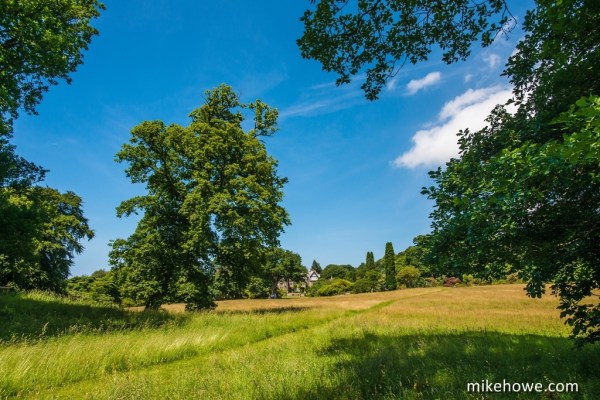
Later in the summer the meadow looks like this…
Photo: Mike Alexander
The National Trust own this fabulous garden and are managing a lot of it for wild flowers, pollinating insects, birds and mammals, which is great because 98% of these old hay meadows have been lost from the Welsh countryside in the last 50 years because of agricultural intensification…
This song was written about the childlike thrill I always get when I have to cross a stream, whether it be a short hop over the narrows, or when it’s one of those when you have to take a running jump, never quite knowing if you’ve got enough lift to reach the far bank…I’m sure you know what I mean 🙂
Understanding the relationship between nature and how land is used is at the heart of what I do in conservation management planning. Today I was back at historic Dinefwr learning how an ancient deer park…
Photo: Mike Alexander
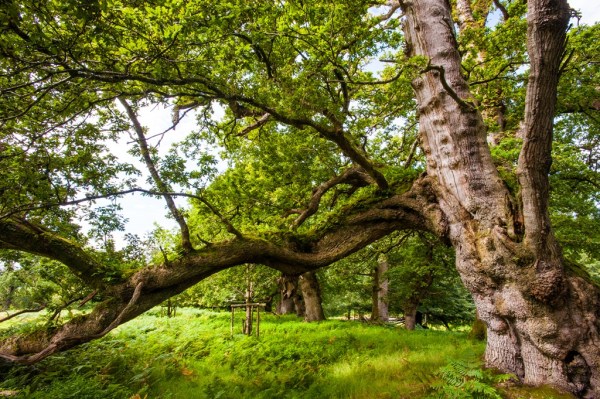
with ancient trees planted 500 years ago…
Photo: Mike Alexander
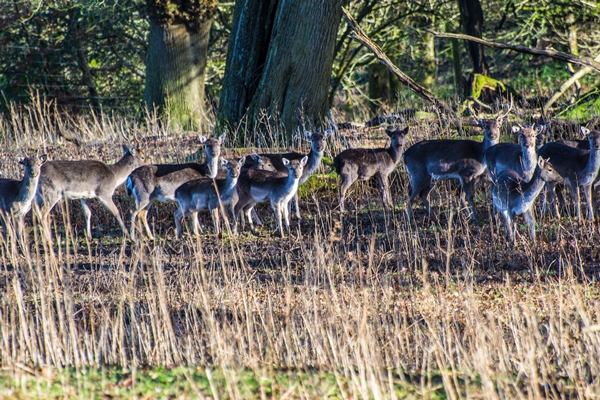
that is grazed by the descendants of those first fallow deer…
Fallow deer herd Photo: Mike Alexander
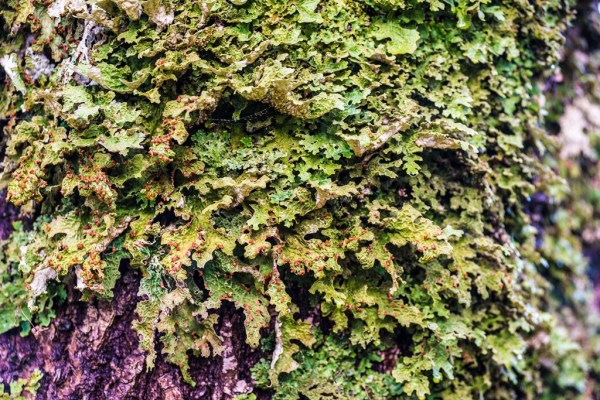
with a good helping of clean, warm, wet, Welsh air, can provide perfect conditions for lichen communities that can take hundreds of years to become established, and only if conditions are just right…
Photo: Mike Alexander
Once the relationships are understood, making the appropriate management decisions is relatively easy. These rare lichens need light, open conditions on old parkland trees that grow without competition from neighbours or smothering from ivy and scrub. Grazing livestock create these conditions, and a deer park created in the 1700’s is the perfect place to find them.
And lots of other wildlife also benefits, from beautiful woodpeckers, red kites, treecreepers, to tiny beetles living in the dead wood and even tinier yellow meadow ants who make their anthills in the ancient grassland…
I loved writing and recording this song from my album “Heading West” because of the instrumentation I used to convey it’s spirit. To describe it I couldn’t do any better than music reviewer Kathy Parsons who did me the honour of reviewing the album in 2013…
“Drift” is a rapturous slow dance with a gentle sway. Piano, guitar, and light percussion elicit sighs of contentment”.
A good friend of mine, the artist Simon Parker gave me one of his paintings of a beautiful beach near our home. How lucky am I? Simon’s work is available through Saatchi Art if you fancy a gander 🙂








 Mike Howe